I've been learning [x] on and off since [date] and I still don't feel like I can make anything on my own. I've been following tutorials for years but I never feel like I can make anything on my own.
Source code for this slide deck
Tutorial Hell
"Tutorial hell" is the cycle of following tutorials but not actually building anything with it leading you to forget what you learned! YT/bigboxSWE/How to get out of tutorial hell
Introduction
- I'm Ryan
- I grew up in a tiny town
- informal computer science education since 2021
- hackathons, workshops, classes
- M.S. in Curriculum and Instruction at UW-Madison
- I used to competitively eat lettuce
About this workshop
- No need to take notes
- All resources available on the github
- Theoretical grounding in lesson-plan.md
Motivation
- Learning in real life, you'll often be starting with someone else's [x]
- ex: llm, tutorials, follow-mes, starter-code, books
- sense making
- make it our own
Remixing
That aesthetic of the Star Wars universe: the do-it-yourself, hotrod ethic that George Lucas exported from his childhood, is exactly the same kind of soul behind what we do and build for the show. It may not look pretty, but it gets the job done.
Adam Savage
Code remixing
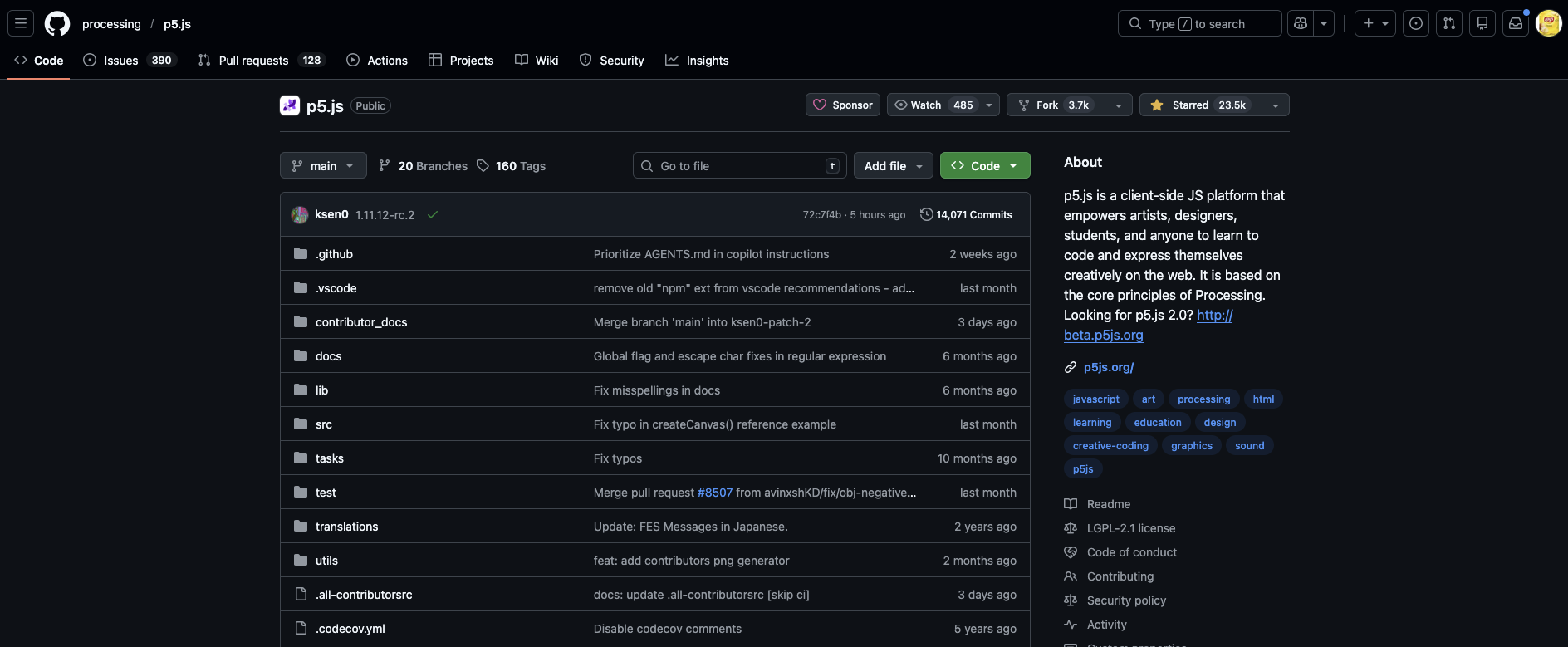
Github/processing/p5
Memes

Memetic approach to cultural evolution
Music

Remixing for learning
Absorb what is useful, discard what is useless and add what is specifically your own.
Bruce Lee
Use-Modify-Create Framework
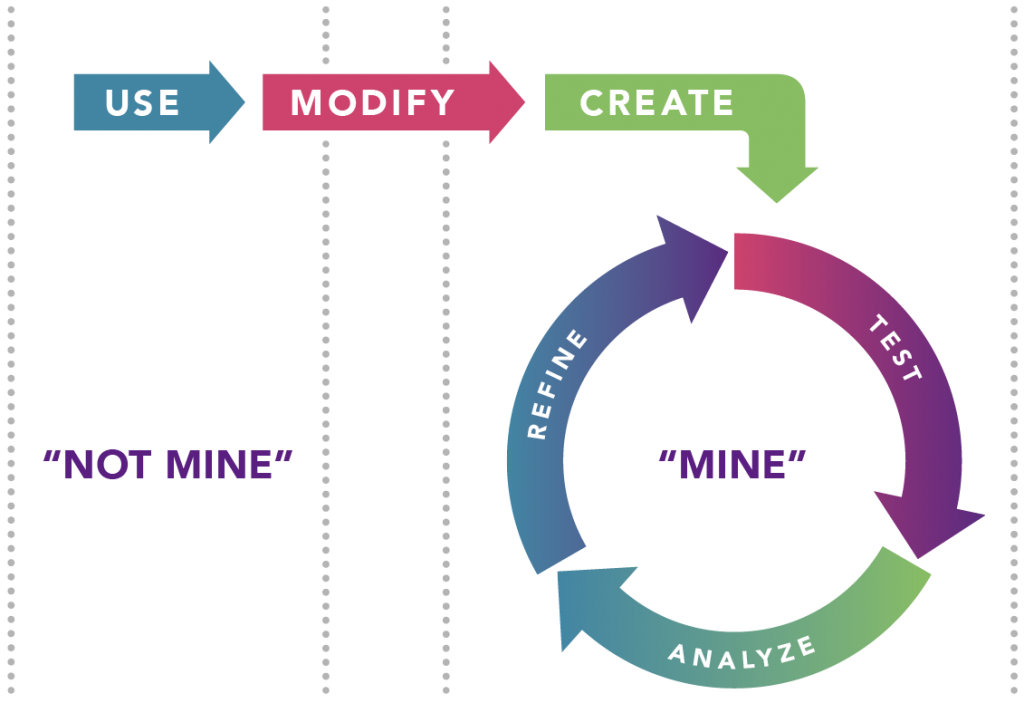
KSU/use-modify-create
Mastery and expertise
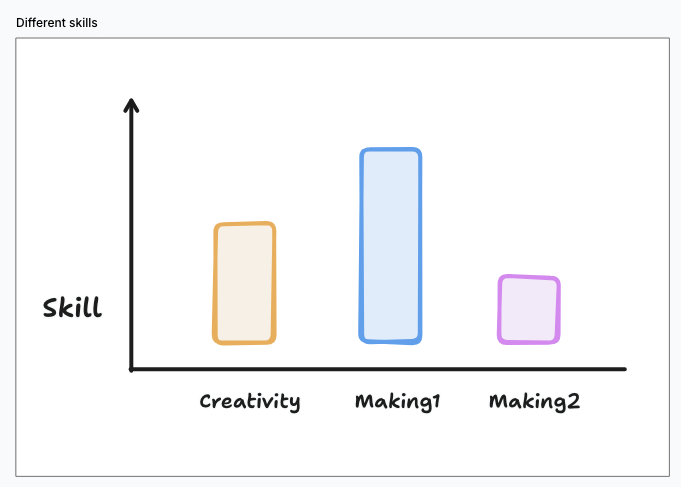
Skills can grow at different rates even if they're part of the same domain.
Situated Creativity
Creativity is not a trait that some people have and some people don't, but rather a situated process that emerges from the interaction of individuals with their social and material environment.
Glăveanu, Vlad Petre
Methods for Modding
- methods of coming up with mod ideas
- aesthetics -> inspiration
- bugged by -> improvements
- confused by -> build an example
- methods of implementing and troubleshooting mod ideas
- whiteboard: frame by frame and relative positioning
- debugging: print statements, frame by frame
Practice
Appendices
These are material that isn't necessarily explicitly mentioned in but here's some resources and citations if you want to learn more or dig into the theoretical grounding of this workshop.
Useful vocabulary
- Tutorial hell [sic]: cycle of following tutorials but not actually building anything with it leading you to forget what you learned!
- Cognitive load: the amount of things that your brain can handle at a time.
Good programming habits
Learning Theories at play
More learning theories at play
- Designing as learning
- Creating and sharing artifacts
- Attending to process and product as outcomes (iterations)
- 4-7 items
- searching and processing are hard work
- experts encode and organize "schemas" more efficiently
- experts have strong mental models
Footnotes
- YT/Kantan Coding/3 laws of writing readable code ↩
- YT/Kantan Coding/3 more laws of writing readable code ↩
- Scaffolding Creative Programming Projects ↩
- Electronic Textiles as Disruptive Designs: Supporting and Challenging Maker Activities in Schools ↩
- Learning through problem solving ↩
- The Maker Movement and Learning ↩
- YT/bigboxSWE/How to get out of tutorial hell ↩
- Cognitive Load During Problem Solving: Effects on Learning ↩
- How People Learn and YT/Veritasium/The Expert Myth ↩